Creating a refined and functional retail environment for a menswear shop requires more than just placing racks and mannequins. It is about orchestrating an experience that guides the customer’s journey — from the moment they step inside, to the fitting room, and ultimately to the checkout counter. Every design element, from the lighting to the layout, plays a crucial role in shaping brand identity and driving sales performance.
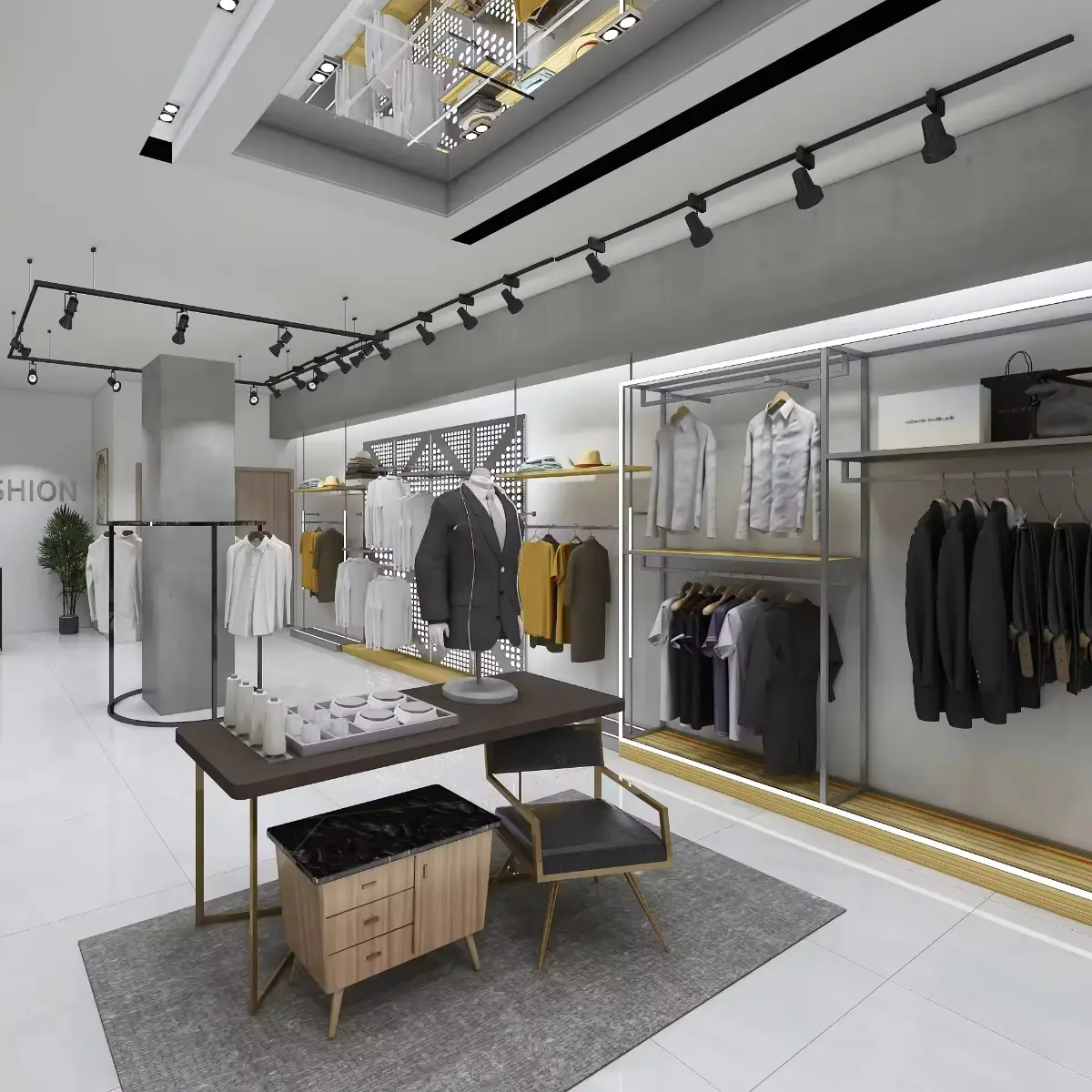
1. Defining the Aesthetic: Masculine Elegance and Brand Consistency
Men’s fashion interiors often balance strength and sophistication. A well-designed men’s boutique combines minimalism with texture — using materials like brushed metal, walnut veneer, and leather to evoke refinement. The color palette typically stays within masculine tones such as charcoal, navy, camel, and deep wood, complemented by warm lighting to soften the ambiance.
Consistency between product style and spatial design reinforces brand positioning. A tailored suit brand may prefer geometric shelving and dark materials, while a casual menswear store could opt for open spaces, modular fixtures, and natural wood finishes to communicate accessibility and ease.
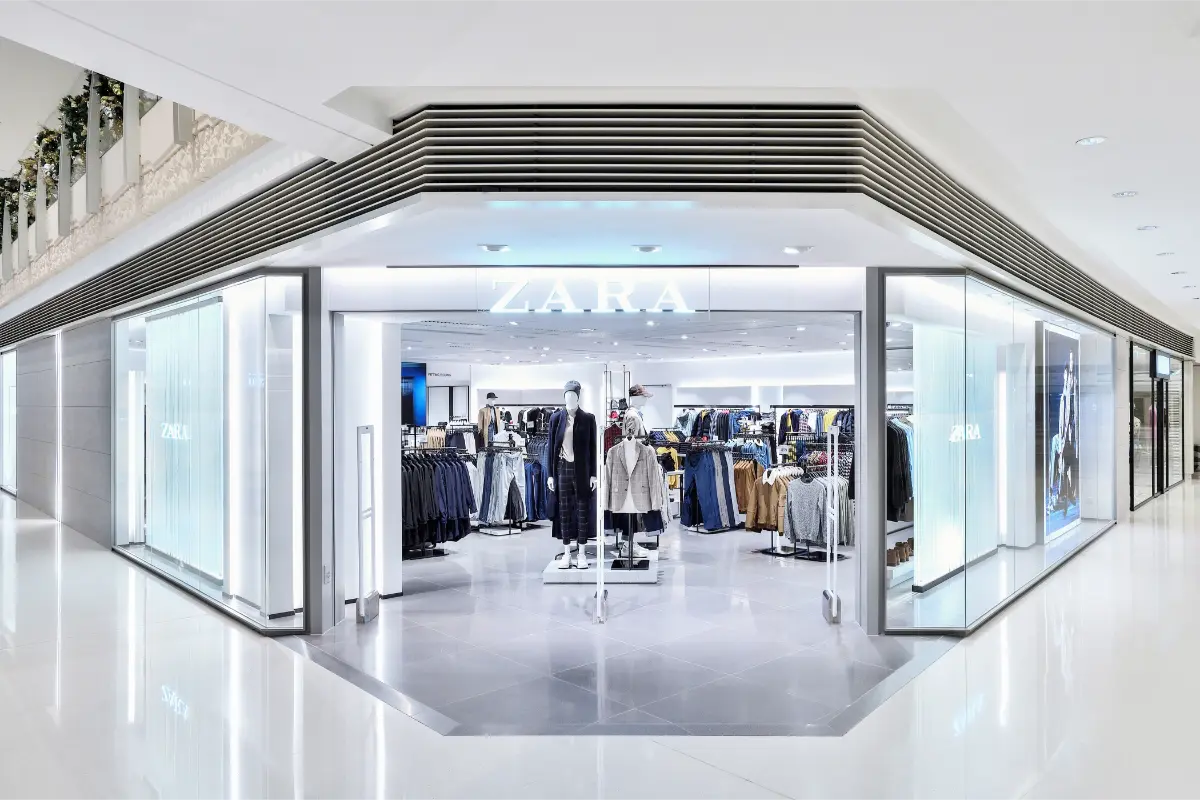
2. Outfit Walls: Storytelling Through Coordination
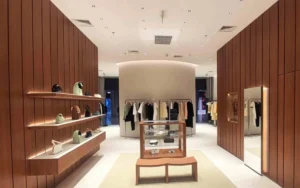
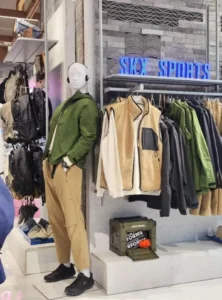
Outfit walls are central to modern menswear display strategies. Instead of isolating jackets, shirts, and trousers, outfit walls combine them into full looks that help customers visualize combinations effortlessly. These coordinated displays function as visual stylists, guiding purchasing behavior and encouraging cross-selling.
The ideal outfit wall features balanced spacing, clear color coordination, and supporting accessories such as belts, shoes, or ties to complete the ensemble. Using adjustable wall-mounted systems allows flexibility for seasonal changes and new arrivals.
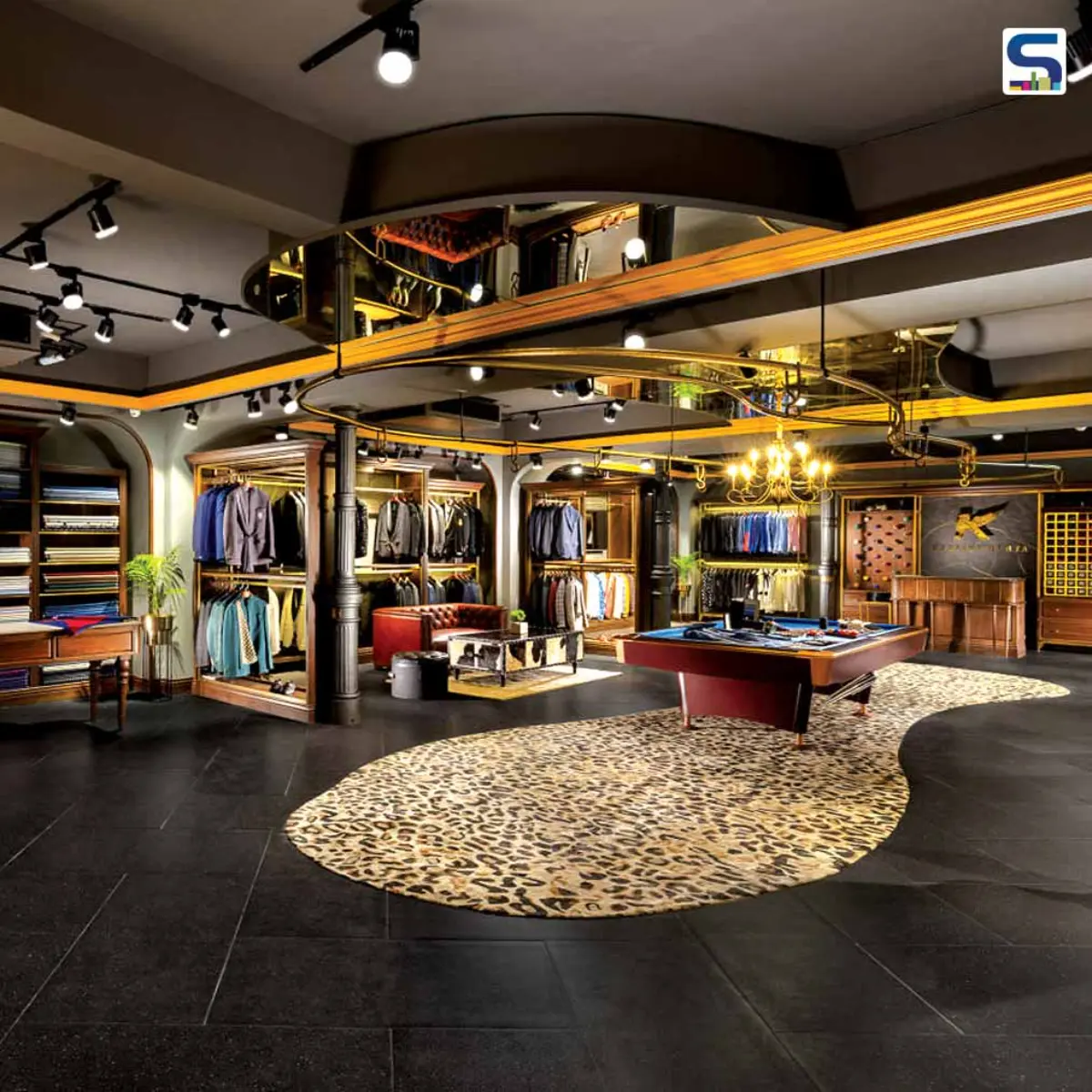
3. Size Navigation: Guiding Efficiency and Comfort
In menswear retail, clear size navigation improves shopping efficiency and reduces customer hesitation. Organizing racks by size and category — formalwear, casualwear, outerwear — helps men find their fit quickly. Integrating clear signage, digital displays, or subtle LED indicators above racks can further streamline the process.
Some high-end showrooms introduce digital mirrors that allow customers to view size availability or request assistance without leaving the fitting area. This fusion of technology and design enhances comfort and convenience while maintaining a premium in-store experience.
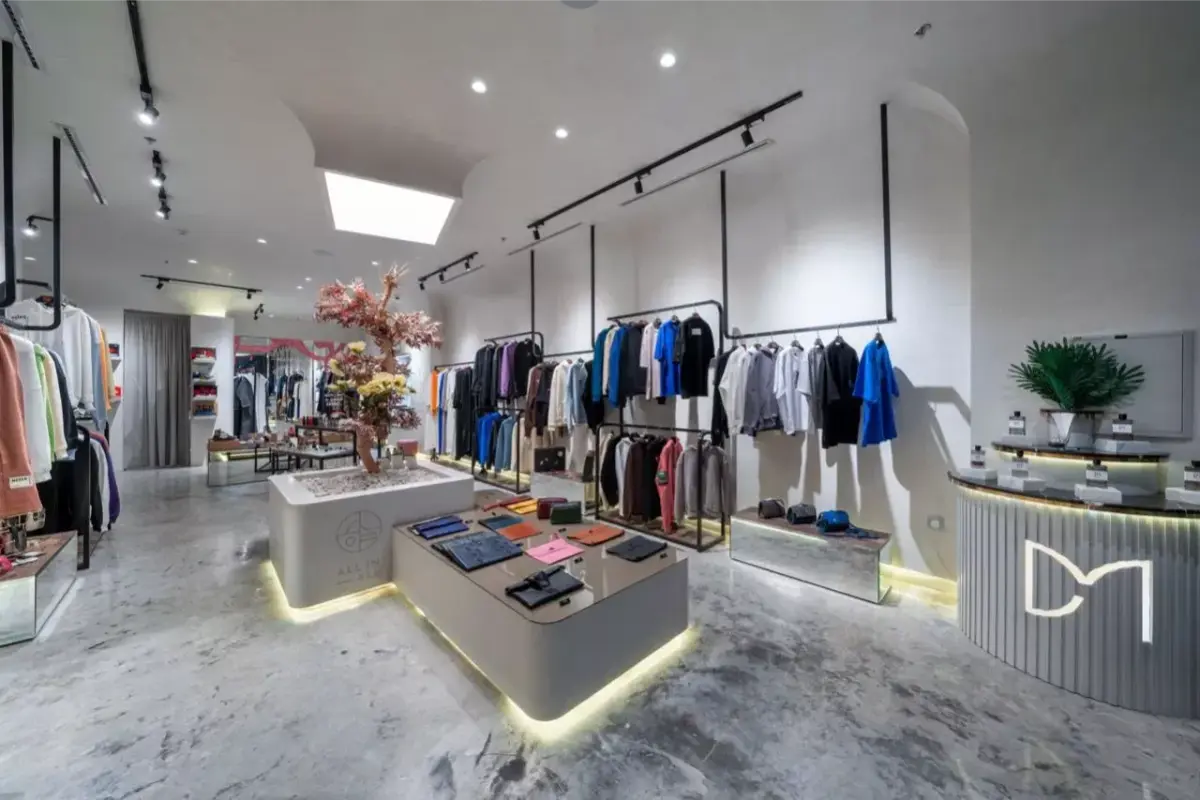
4. Fitting-Room Flow: The Emotional Core of the Store
The fitting room is where most buying decisions are made — making it one of the most critical areas of a menswear shop. An effective fitting-room design offers privacy, comfort, and flattering lighting. Use warm-toned lights to replicate natural daylight and position mirrors to enhance posture and proportion.
The flow from product selection to fitting area should feel intuitive. Pathways must be wide enough to accommodate multiple visitors, with dedicated staff zones for assistance. A lounge or seating corner near fitting rooms adds a layer of sophistication and encourages longer visits.
5. Fixture Design: The Backbone of Visual Merchandising
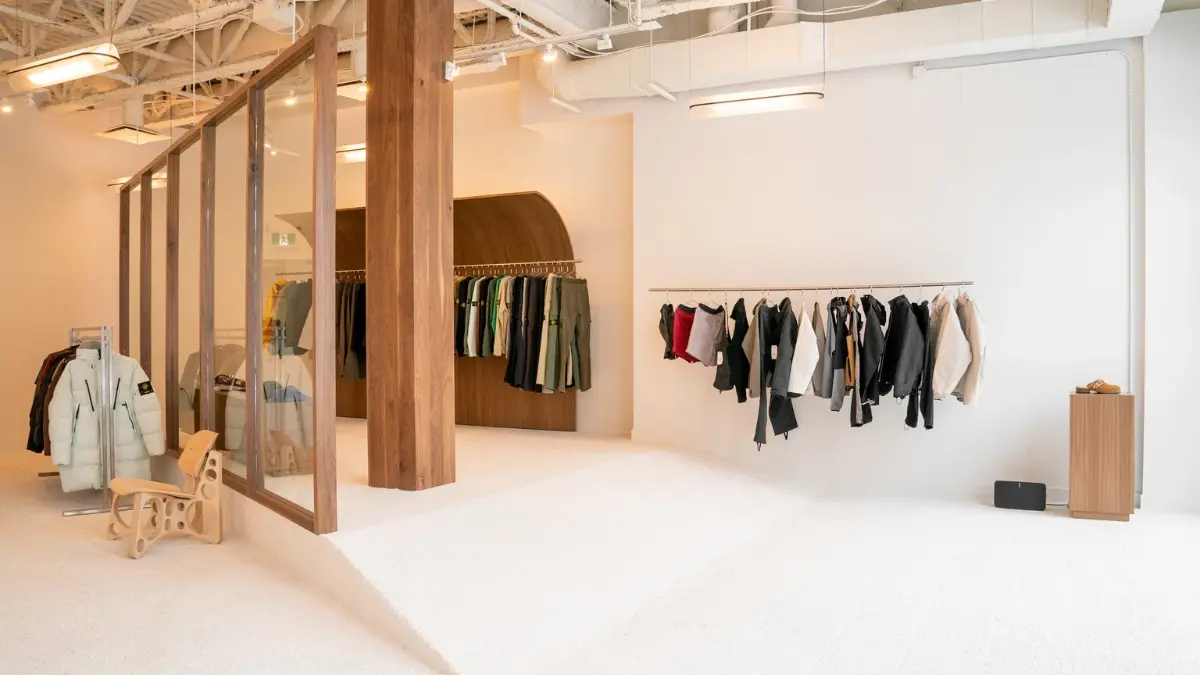
Fixtures form the architectural backbone of the store. Freestanding racks, shelving systems, and central islands define the circulation and rhythm of movement. Stainless steel and matte-black finishes are popular for their durability and visual strength. Incorporating modular elements allows the store to evolve with collections and trends.
At MOR Shopfitting, we design fixtures that complement every style of menswear — from classic suits to urban streetwear. Our solutions prioritize balance between visibility and practicality, ensuring each garment receives proper emphasis without cluttering the space.
6. Lighting Strategy: Shaping Atmosphere and Perception
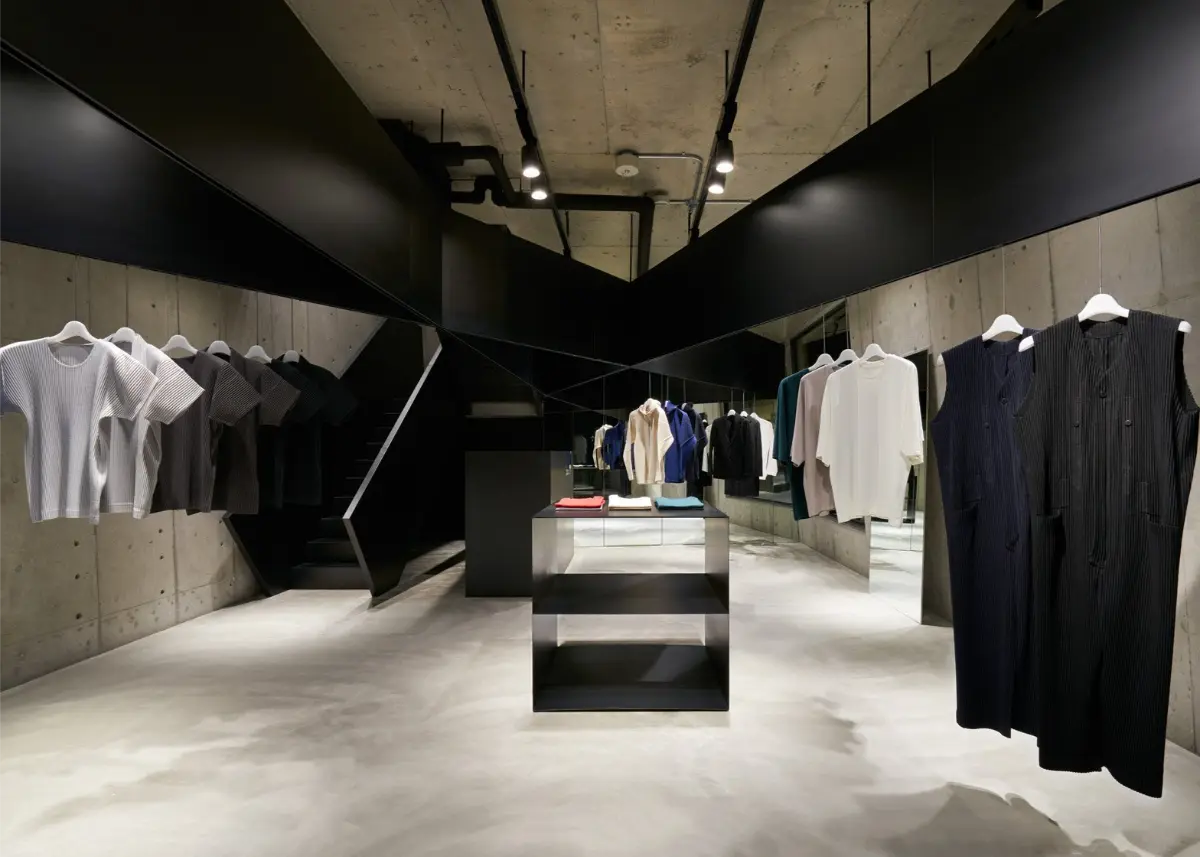
Lighting in men’s boutiques should flatter products and guide customer focus. Accent lighting highlights key pieces or outfit walls, while ambient lighting sets mood consistency. Avoid over-bright environments — softer contrasts and warm temperatures often feel more sophisticated and inviting.
Integrated lighting within shelves and wall racks enhances texture visibility, especially for materials like wool, linen, or leather. Combining spotlights and LED strips adds dimensional depth and visual rhythm across the store.
7. Flow and Spatial Planning: From Entrance to Exit
A well-planned layout anticipates how customers move, pause, and interact with displays. The entrance should feature hero products — statement pieces that express brand identity. Mid-store zones can hold mix-and-match styles or seasonal collections, while the back area often houses fitting rooms and accessories.
Strategic positioning of mirrors, seating, and product categories ensures a comfortable, natural flow. When designed correctly, spatial planning not only increases time spent in-store but also improves conversion rates by making the journey intuitive and enjoyable.
8. Material and Detailing: Reflecting Brand Quality
High-quality materials communicate craftsmanship. Natural textures such as wood, stone, or leather add authenticity, while metallic accents create contrast and modernity. Details like edge finishing, handle design, and lighting integration often define whether a store feels premium or generic.
Each element should reflect the brand’s DNA. A luxury menswear brand might use walnut and brass; a contemporary streetwear label might combine concrete with black steel and acrylic. The goal is harmony between product and environment.
9. Integrating Digital and Interactive Elements
Modern menswear retail is evolving with digital tools — from interactive mirrors to virtual fitting apps. Touchscreens near outfit walls can show color options, fabric information, or styling tips. QR codes embedded in shelves allow customers to browse online collections while staying immersed in the physical experience.
These integrations bridge the gap between online and offline, providing a seamless omnichannel shopping journey that reflects modern consumer behavior.
10. Conclusion: Designing the Masculine Retail Experience
Interior design for menswear shops is about orchestrating emotion, function, and flow. A successful space makes men feel confident, guided, and inspired. From outfit walls to fitting-room design, every element should narrate a cohesive story of brand identity and customer comfort.
Ammy
Customer Manager
Jiaxing Ruichen Exhibition Co., Ltd.
Web: http://www.morshopfitting.com/
Whatsapp: +86 15258090639
Linkedin: MIMI (Ammy)