Boutique Clothing Racks vs. Department Store Fixtures: What’s Right for Your Brand DNA?
The fixtures you choose do more than hold products—they communicate your brand DNA, shape traffic flow, impact conversion, and determine your total cost of ownership. This guide helps you decide when boutique clothing racks outperform department store systems—and when a hybrid is smarter.
- 1) Start with Brand DNA
- 2) What Are Boutique Clothing Racks?
- 3) What Are Department Store Fixtures?
- 4) Side-by-Side Comparison
- 5) Store Archetypes & Use Cases
- 6) Materials, Finishes & Color Strategy
- 7) Lighting That Sells
- 8) Sizing & Load Guidelines
- 9) Common Mistakes to Avoid
- 10) Implementation Roadmap
- 11) Procurement Checklist
- 12) FAQ
- Contact
1) Start with Brand DNA
“Brand DNA” is the distilled essence of who you are: positioning, price point, aesthetic codes, material language, and the emotion you want customers to feel. Fixtures are the physical translation of that DNA. If your brand champions minimal luxury, thin-line metal with satin finishes tells that story. If your brand celebrates craft and warmth, oak veneers and rounded tubing speak fluently. If your brand is performance-led, powder-coated steel and clean geometry reinforce credibility.
2) What Are Boutique Clothing Racks?
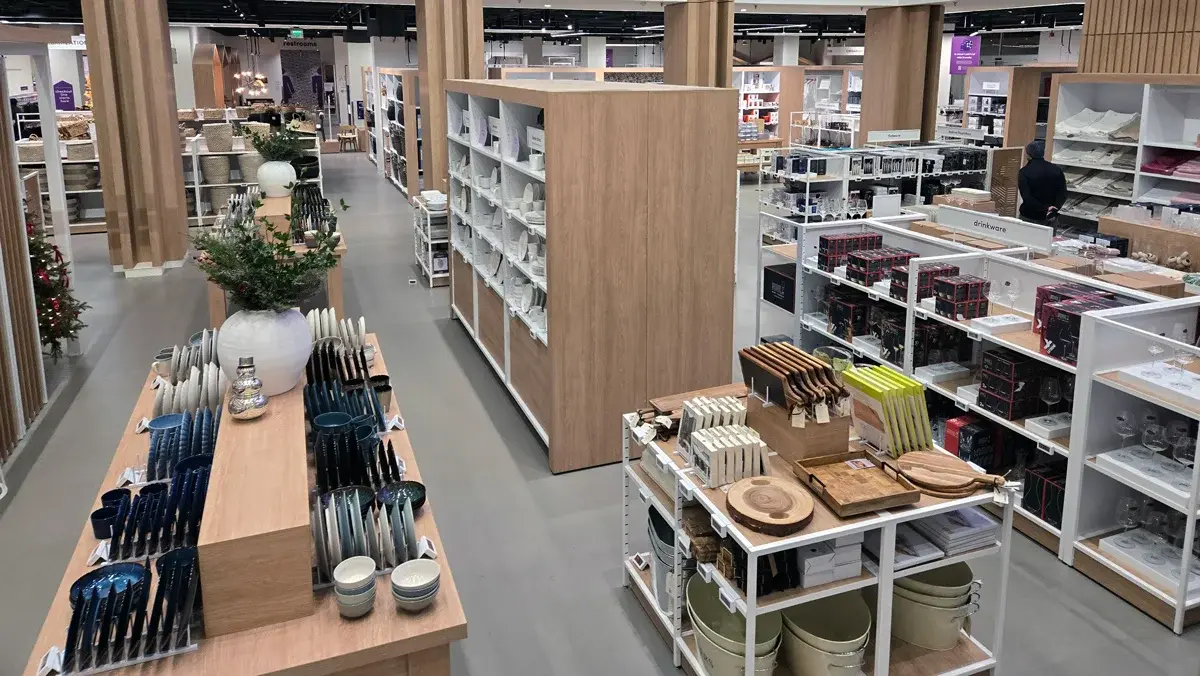
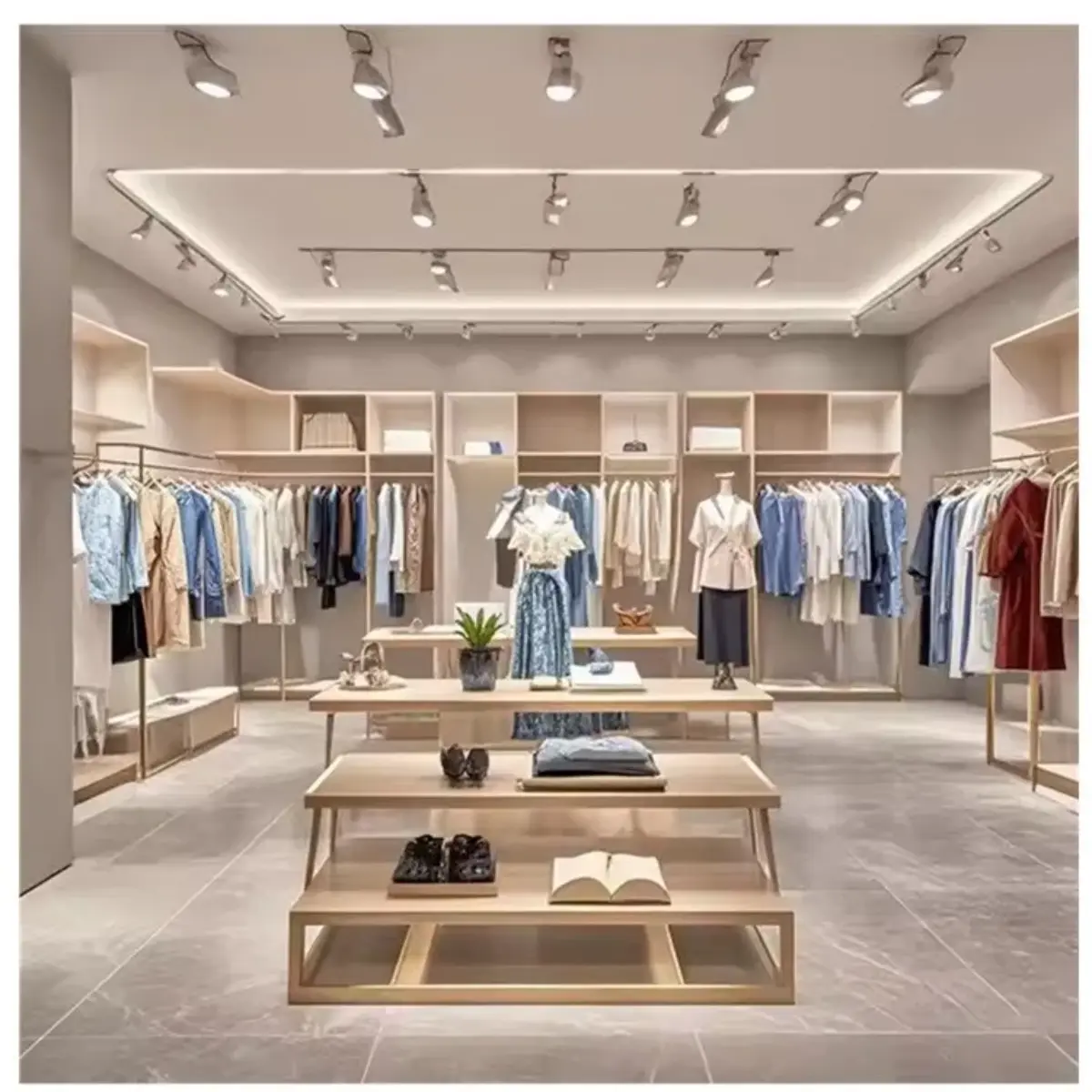
Boutique clothing racks are typically standalone pieces—single rails, A-frames, T-stands, waterfalls, nesting tables, and low gondolas—designed to create intimacy, storytelling moments, and discoverability. They are perfect for curated edits, capsule drops, or high-margin hero SKUs. Their biggest strengths are personality and agility.
Core Advantages
- Storytelling first: Each rack can frame a micro-collection with space to breathe.
- Lower initial capex: You can phase in pieces as the store grows.
- Flexible refresh: Easy to move, re-theme, or replace seasonally.
- Photo-ready: Clean sightlines for social content and PR shoots.
Typical Constraints
- Lower capacity: Risk of stock-outs if not supported by backroom buffer.
- Consistency risk: Varied pieces can feel disjointed without a style guide.
3) What Are Department Store Fixtures?
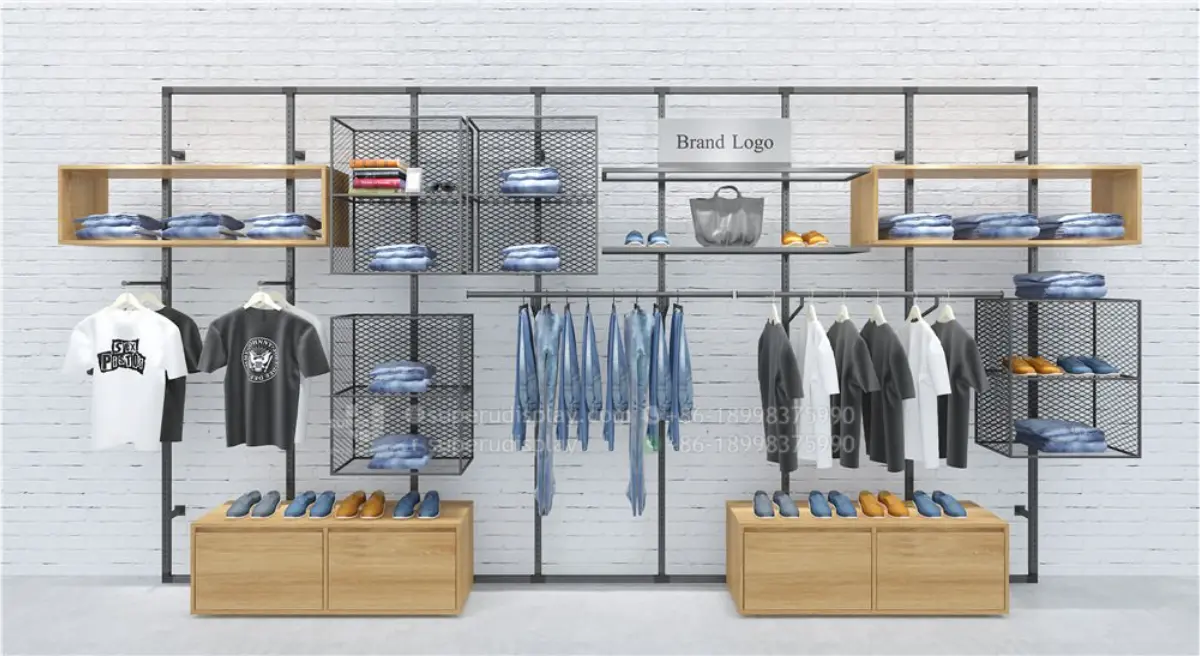
Department store fixtures are modular systems engineered for capacity, planogram control, and multi-season reconfiguration. Think wall standards with adjustable brackets, universal gondolas, heavy-duty rails, shelf systems, and integrated signage channels. They shine in larger footprints, multi-category operations, and when corporates require strict compliance.
Core Advantages
- High capacity & productivity: Maximizes units per linear meter (UPLM).
- Scalable control: Standardized parts simplify rollouts and maintenance.
- Fast resets: Merch teams can swap shelves/arms without tools.
Typical Constraints
- Higher upfront investment: Systems require base kits and accessories.
- Perceived uniformity: Risk of “generic” look if finishes aren’t customized.
4) Side-by-Side Comparison: Which Fits Your Strategy?
| Dimension | Boutique Clothing Racks | Department Store Fixtures |
|---|---|---|
| Brand Storytelling | High—each piece is a vignette. | Medium—requires custom finishes to avoid generic feel. |
| Capacity per m² | Low–Medium | High |
| Modularity | Medium—mix & move pieces. | High—universal parts & accessories. |
| Capex (Initial) | Lower (phase-in) | Higher (system buy-in) |
| Opex / TCO | Medium—more replacements over time. | Lower over 3–5 years—spares & standardization. |
| Speed to Reset | Fast—lightweight moves. | Very fast—tool-less bracket changes. |
| Compliance & Safety | Good—check load ratings individually. | Excellent—load-tested system components. |
| Best For | Curated, premium, capsule-driven retail. | Multi-category, high-volume, multi-site chains. |
5) Store Archetypes & Use Cases
Luxury / Designer
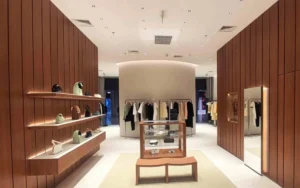
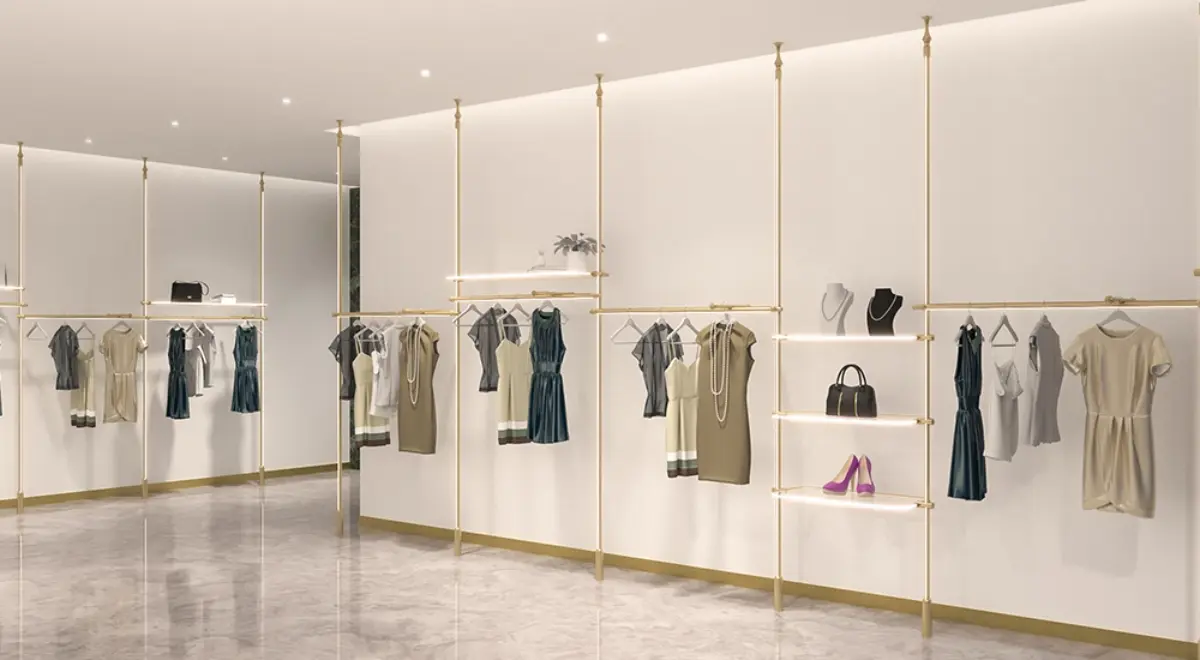
Use boutique racks with thin-line stainless, real wood veneers, and stone bases. Maintain generous spacing (the “gallery effect”). Department system on the back wall for coordinating accessories (brackets hidden by cladding).
Contemporary / High-Street
Blend universal gondolas (high capacity) with some statement rails up front. Color-match powder coats to brand palette. Use interchangeable signage channels.
Streetwear
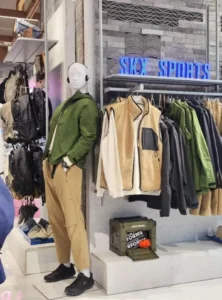
Industrial tubing, matte powder coats, mesh panels for graphics, and low tables for stacks. Department standards for rapid drop resets.
Mens Tailoring
Heavier bases for suits, longer arm lengths, and shoulder-friendly spacings. Use perimeter wall bays to present jackets–shirts–ties in logical sequence.
Activewear
High-capacity wall standards, face-outs for hero pieces, waterfalls for size curves, and robust mid-floor gondolas for folded inventory.
Kidswear / Lingerie
Lower sightlines and rounded corners. Ensure fixture height fits customer ergonomics. Use drawers or baskets in gondolas for smalls.
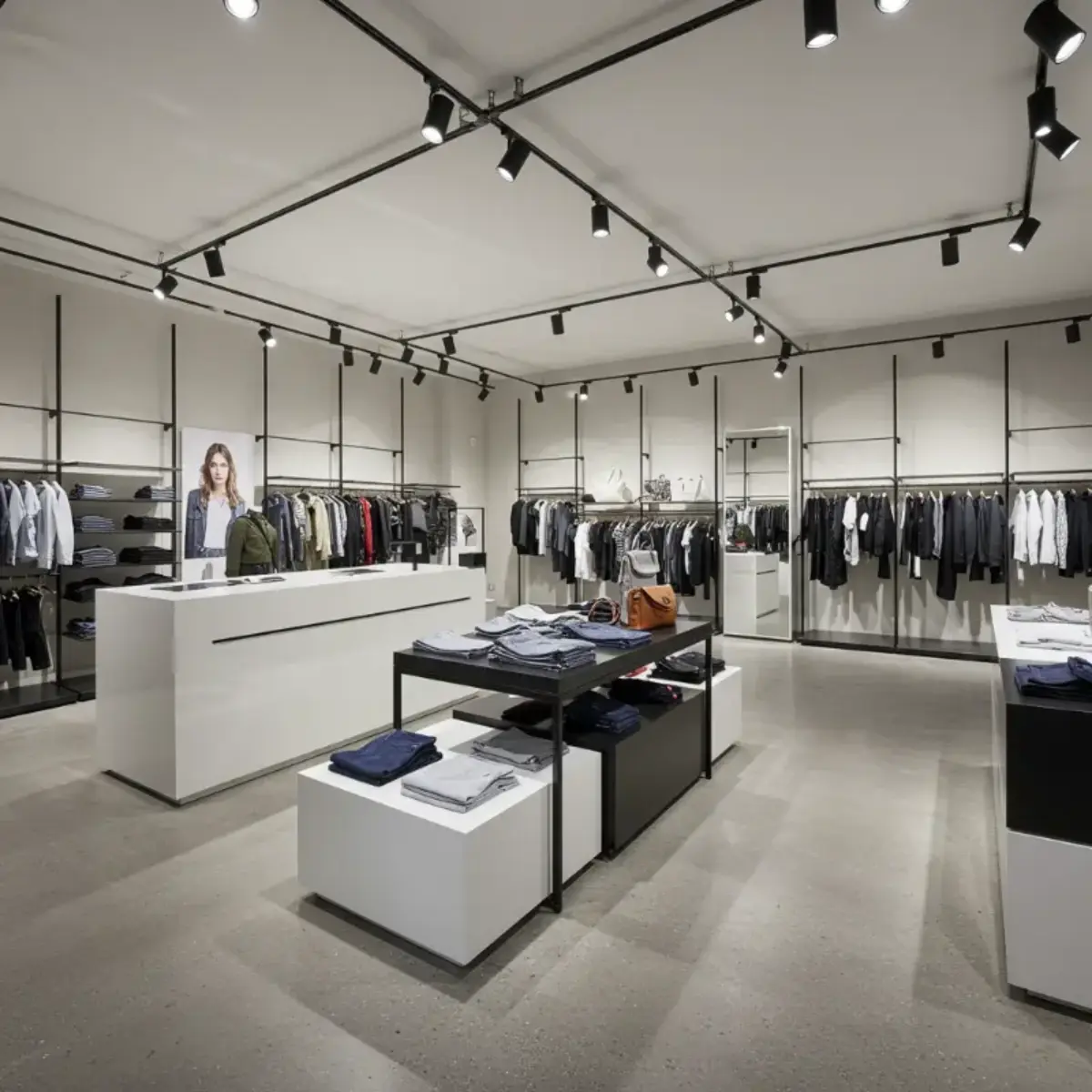
6) Materials, Finishes & Color Strategy
Material language is core to brand DNA. The same silhouette can look mass or luxury depending on finish and joinery.
Recommended Palettes by Positioning
| Positioning | Metals | Surfaces | Notes |
|---|---|---|---|
| Luxury | Brushed stainless, PVD champagne/gunmetal | Oak/ash veneer, stone, low-iron glass | Hidden fasteners, mitred edges, solid bases |
| Premium/Contemporary | Fine-texture powder coat (RAL custom) | HPL with ABS edges, smoked glass | Slim profiles, integrated signage rails |
| Value/Volume | Durable powder coat (black/white) | Melamine boards, acrylic fronts | Focus on durability and easy replacement |
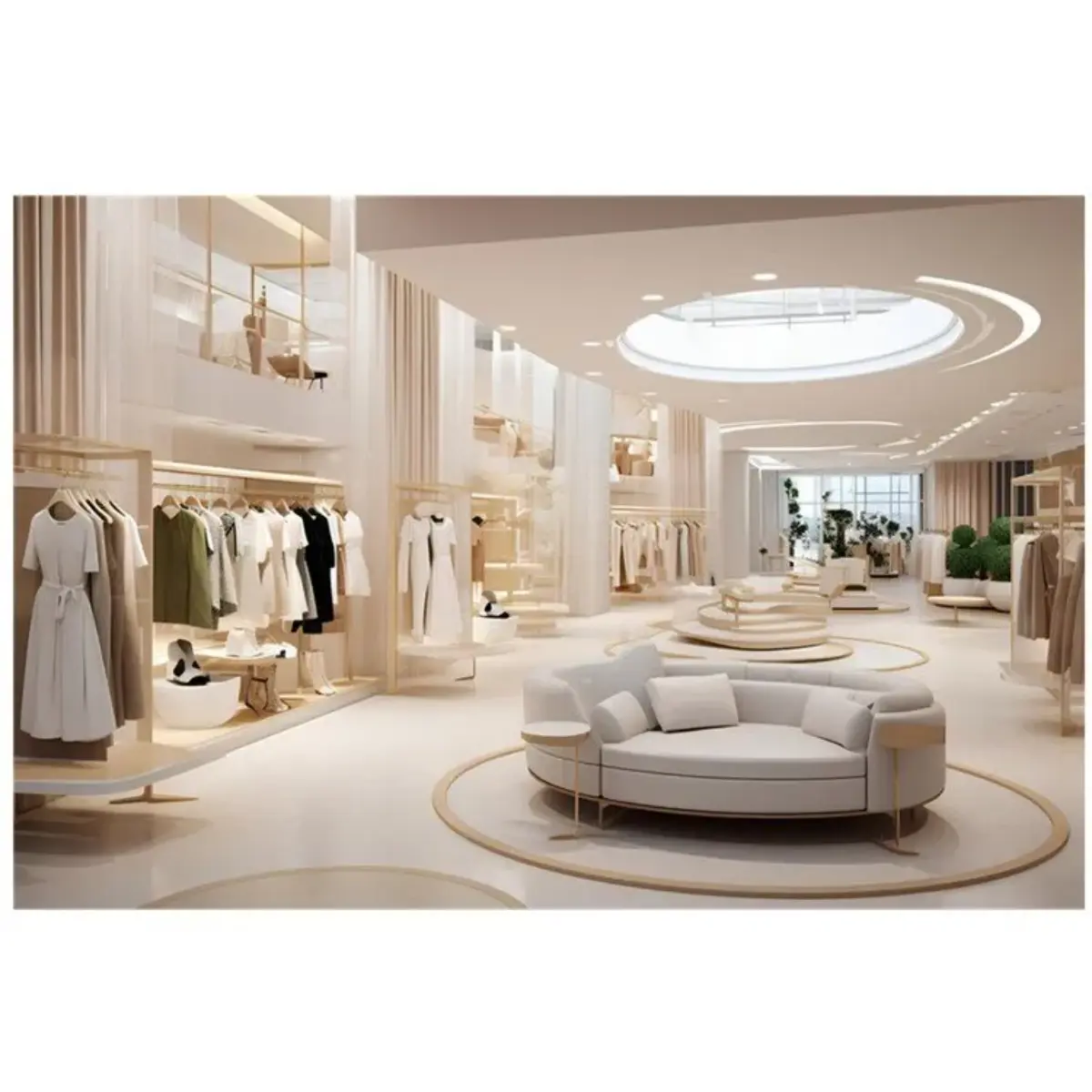
7) Lighting That Sells
Even the best fixtures underperform without the right lighting. For apparel, aim for 3000–3500K in premium/luxury (warmer, flattering skin tones) and 3500–4000K for performance/activewear (crisper whites). Use CRI ≥ 90 to preserve true color. Accent key racks at 800–1200 lux; general ambient at 350–500 lux.
- Perimeter walls: Track heads with narrow floods (24–36°) aimed at 30°–35° to avoid glare.
- Mid-floor racks: Higher aiming angle + backlighting to separate silhouettes from background.
- Tables: Wash with soft floods to reduce harsh shadows on folds.
8) Sizing & Load Guidelines
Right-sizing protects product and customers while keeping your visual standards consistent. Always verify load-test certificates and local compliance requirements.
| Fixture Type | Typical Dimensions | Suggested Load | Best For |
|---|---|---|---|
| Single Rail (Straight) | 1200–1500mm W × 1400mm H | 40–70 kg evenly distributed | Tops, dresses, outerwear |
| T-Stand / Waterfall | 450–600mm footprint | 15–25 kg | Face-outs, hero items |
| Nesting Tables | 1200/1000/800mm sets | 30–50 kg per table | Folded denim, knit stacks |
| Gondola (System) | 1000–1250mm bay | 80–150 kg total | Volume lines, multi-size runs |
| Wall Standards | Bay 1000–1250mm, 2400–3000mm H | Per bracket 15–30 kg | Perimeter capacity and planograms |
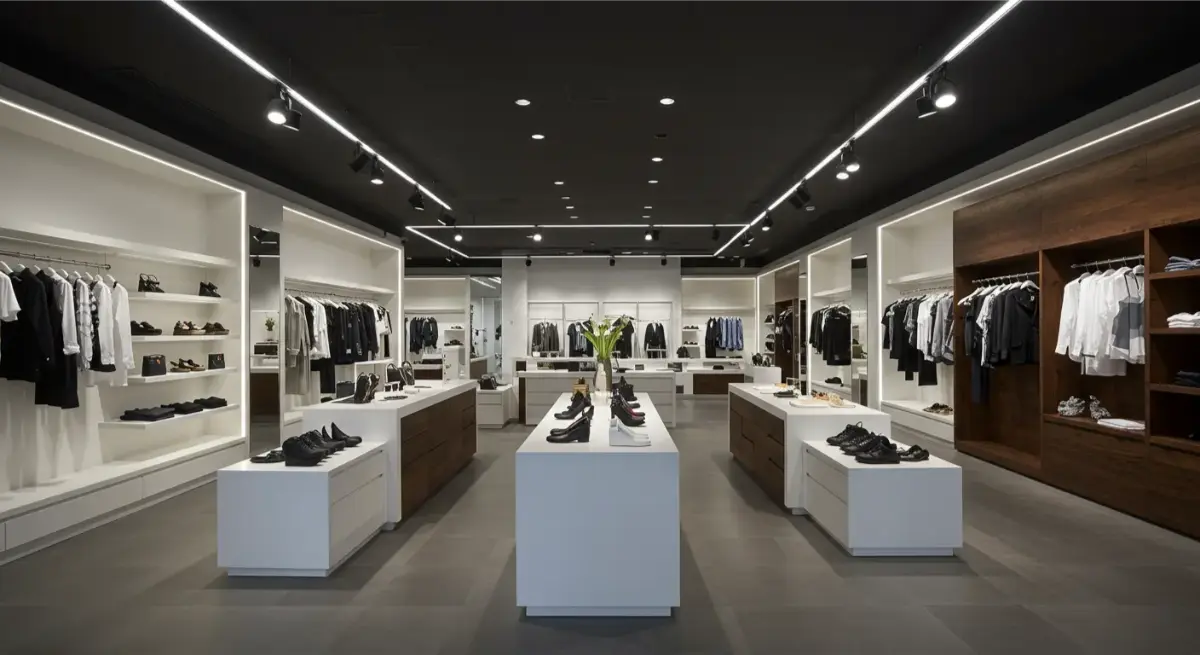
9) Common Mistakes to Avoid
- Over-densifying boutique racks: Curation disappears when hangers collide.
- Under-spec’ing system parts: Brackets flex, shelves bow—merchandising suffers.
- Mismatched finishes: Slightly different blacks or woods make the store feel messy.
- No backstock strategy: Low-capacity floors need tight BOH replenishment plans.
- Ignoring ergonomics: Arms too high/low reduce interaction and conversion.
- Skipping maintainability: Choose coatings and edges that resist scuffs & snagging.
10) Implementation Roadmap (6 Steps)
- Clarify Brand DNA: Adjectives, materials, price point, target emotions.
- Define the Assortment: Units per facing, depth, size curves, hero SKUs.
- Select a Fixture Strategy: Boutique, Department System, or Hybrid (recommended for most).
- Prototype & Pilot: Build a sample bay and a mid-floor vignette. Validate load, spacing, signage.
- Rollout Standards: Create a style guide: RAL codes, veneers, edge details, hardware specs.
- Train & Maintain: Plan reset calendars, cleaning kits, and spare parts inventory.
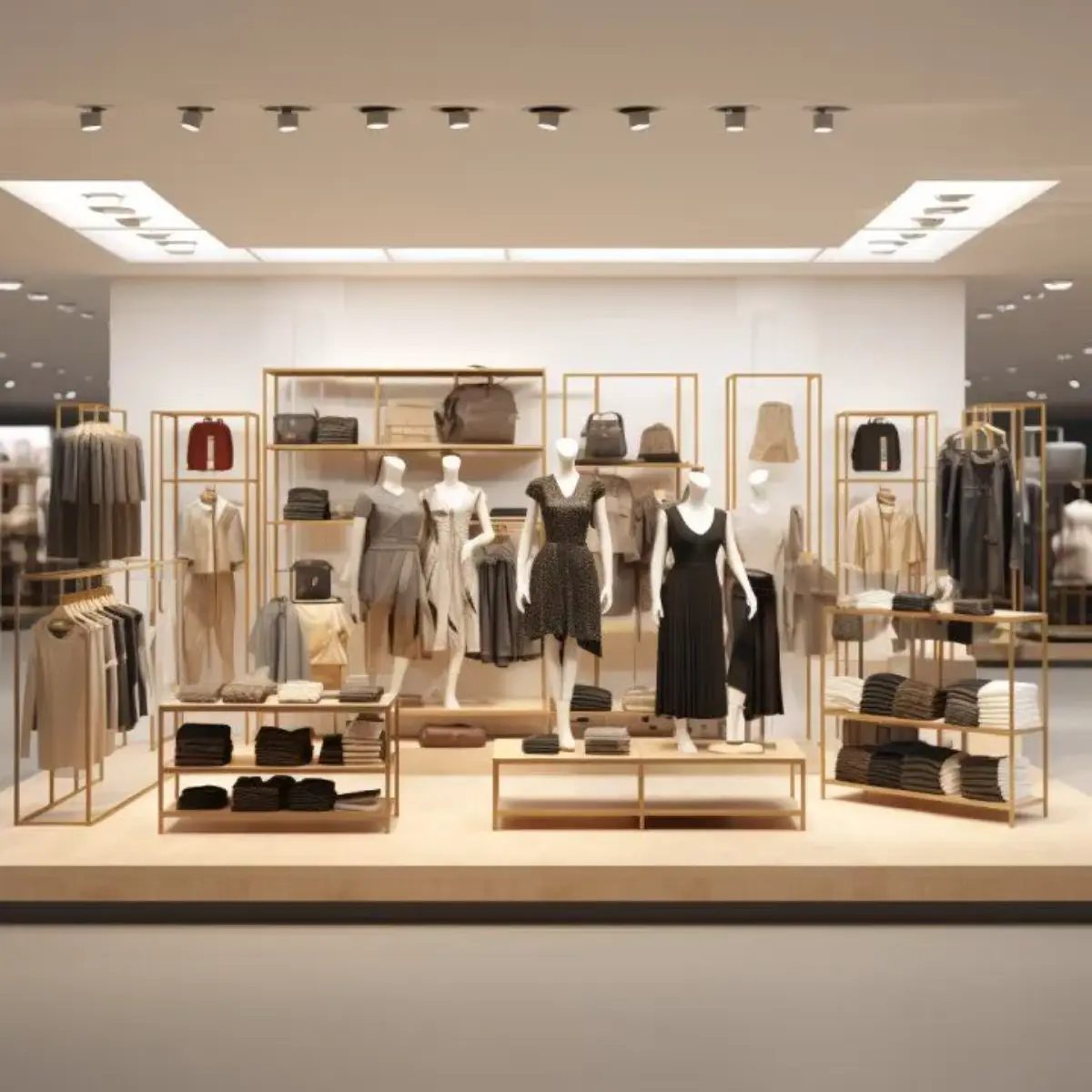
11) Procurement Checklist
- Specs: CAD drawings with dimensions, tolerances, and load ratings.
- Finishes: RAL/PVD codes, veneer species, edge treatments.
- Compliance: Fire resistance where needed, edge radius for safety, stability certificates.
- Packaging: Knock-down kits, corner protectors, drop tests for e-commerce replenishment.
- Spares: Extra brackets, feet, caps, screws, touch-up paint.
- Signage: Holders, rails, magnetic headers sized to your brand type scale.
- Warranty: 2–3 years typical on structure & coatings with clear SLA for replacements.
- Aftercare: Cleaning/repair guide; who owns resets and inspections.
12) FAQ
Should a small boutique choose only boutique racks?
Mostly yes—but include at least one perimeter bay with an adjustable system for capacity and seasonal flexibility. A 70/30 split (boutique/system) works well for up to 120 m².
For multi-site rollouts, how do we keep individuality?
Standardize the system (hidden backbone) and authorize 2–3 “signature” boutique pieces per store to localize storytelling.
How do fixtures influence conversion?
Visibility, spacing, and reachability drive try-on and basket size. The right mix reduces decision fatigue and highlights hero SKUs.
What about sustainability?
Specify durable coatings, repairable components, and modular spares. Choose veneers from responsibly managed sources and reuse steel frames across seasons.
Need a tailored fixture plan?
Whether you’re opening a flagship, refreshing a boutique, or rolling out 50 stores, we’ll engineer a fixture ecosystem that matches your brand DNA and growth plan—balancing storytelling, capacity, and cost of ownership.