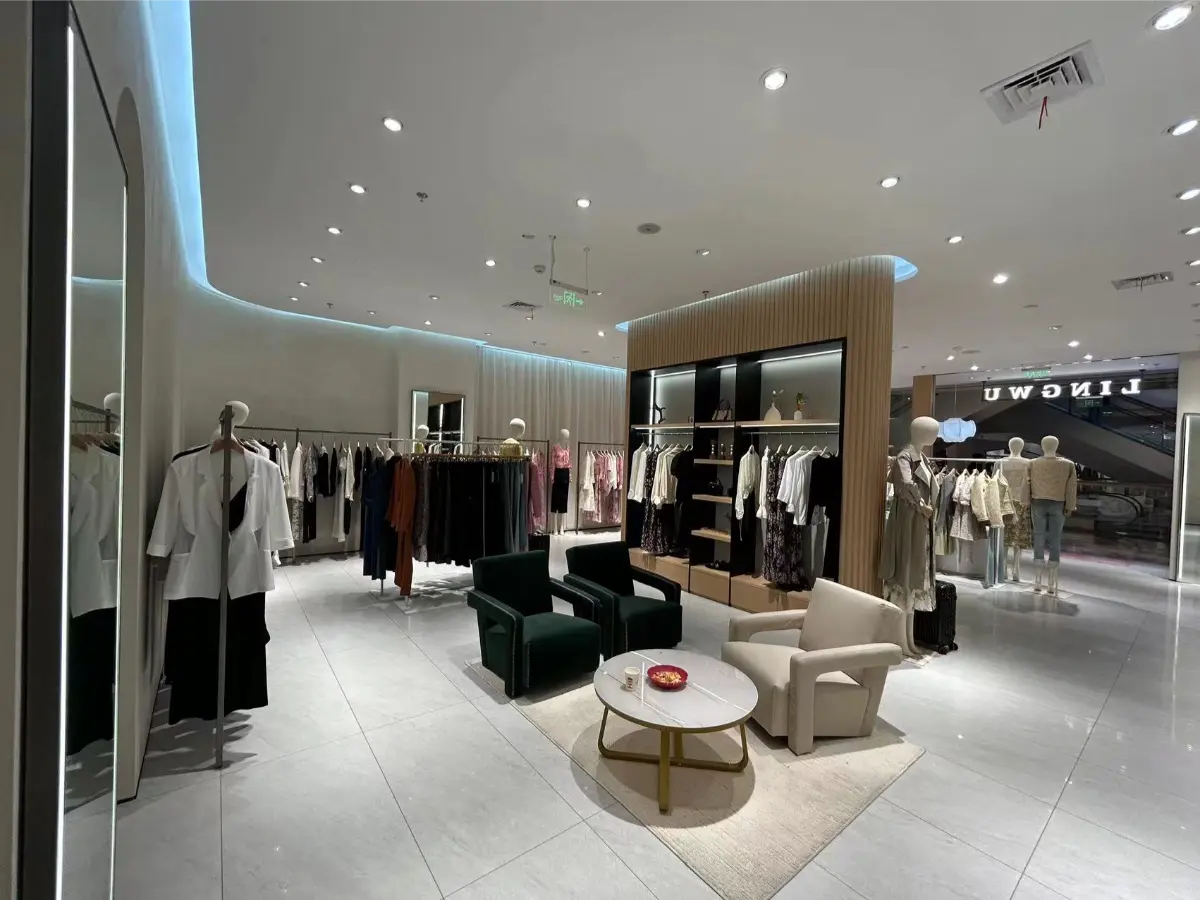
How Clothing Display Fixtures Enhance In-Store Visual Merchandising: Real Case Studies
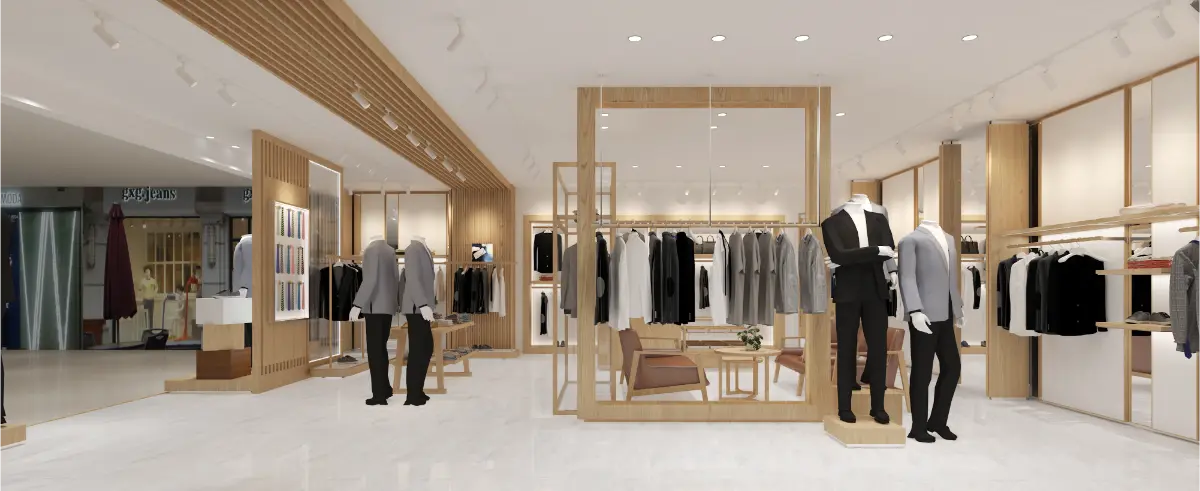
In modern retail, clothing display fixtures are far more than tools to hang garments — they are silent salespeople that define the customer journey, communicate brand identity, and maximize sales opportunities. By combining smart design with shopper psychology, retailers can transform ordinary racks and shelves into powerful visual merchandising tools. In this article, we’ll explore the role of fixtures, share real case studies, and look at future trends shaping retail displays.
The Role of Visual Merchandising in Retail Success
Why First Impressions Matter
Shoppers form opinions about a store within the first 7 seconds of entering. A cluttered or uninspired layout risks sending them away, while a well-planned display draws them deeper into the store. The choice of garment racks, mannequins, shelving, and lighting sets the tone, showcasing not just products but the brand story itself.
Guiding the Customer Journey
Effective clothing display fixtures act as navigation tools. They subtly direct traffic flow, encourage product discovery, and influence dwell time. For example, modular racks placed at angles near entrances naturally pull customers toward highlighted collections, while round display tables in the center invite touch and engagement.
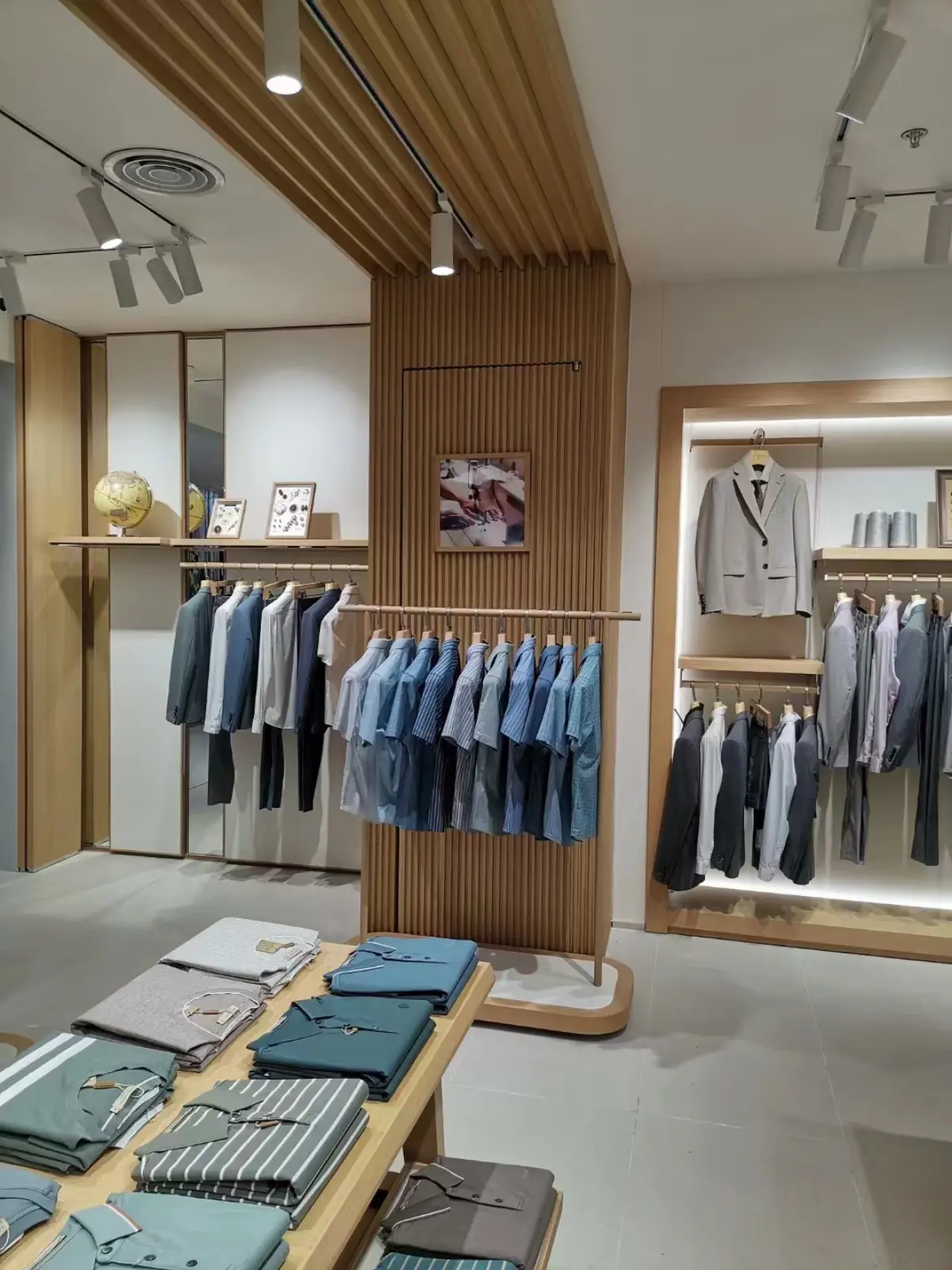
Case Studies
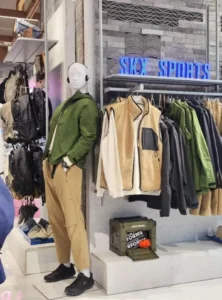
Entrance Power Wall with Mannequins
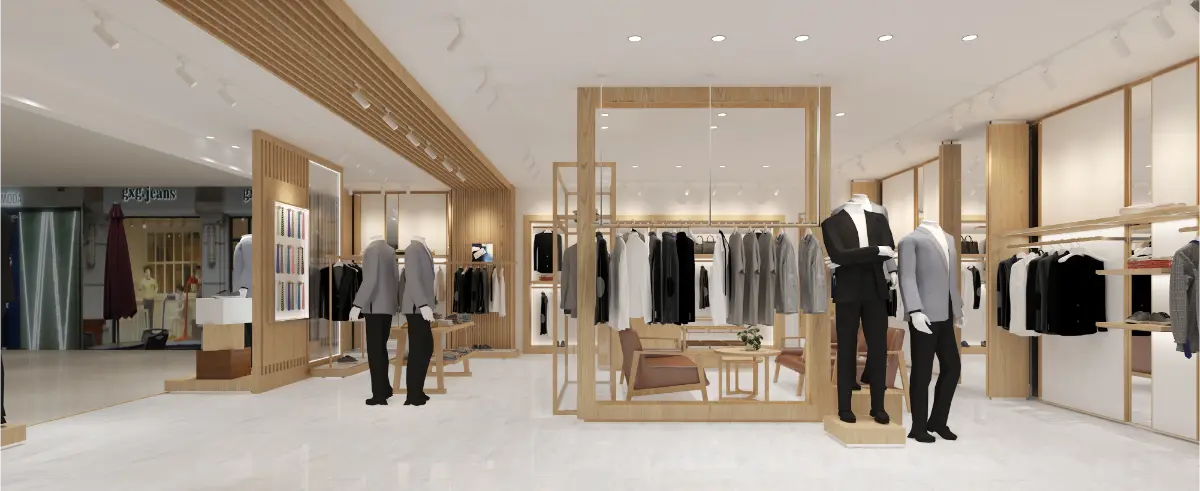
One global menswear brand partnered with Morshopfitting to redesign its flagship store. They installed a dramatic entrance power wall with full-height mannequins styled head-to-toe. Positioned on modular clothing fixtures, the display created an immediate impact. Sales data revealed that featured outfits saw a 32% sales lift compared to similar SKUs displayed deeper in the store.
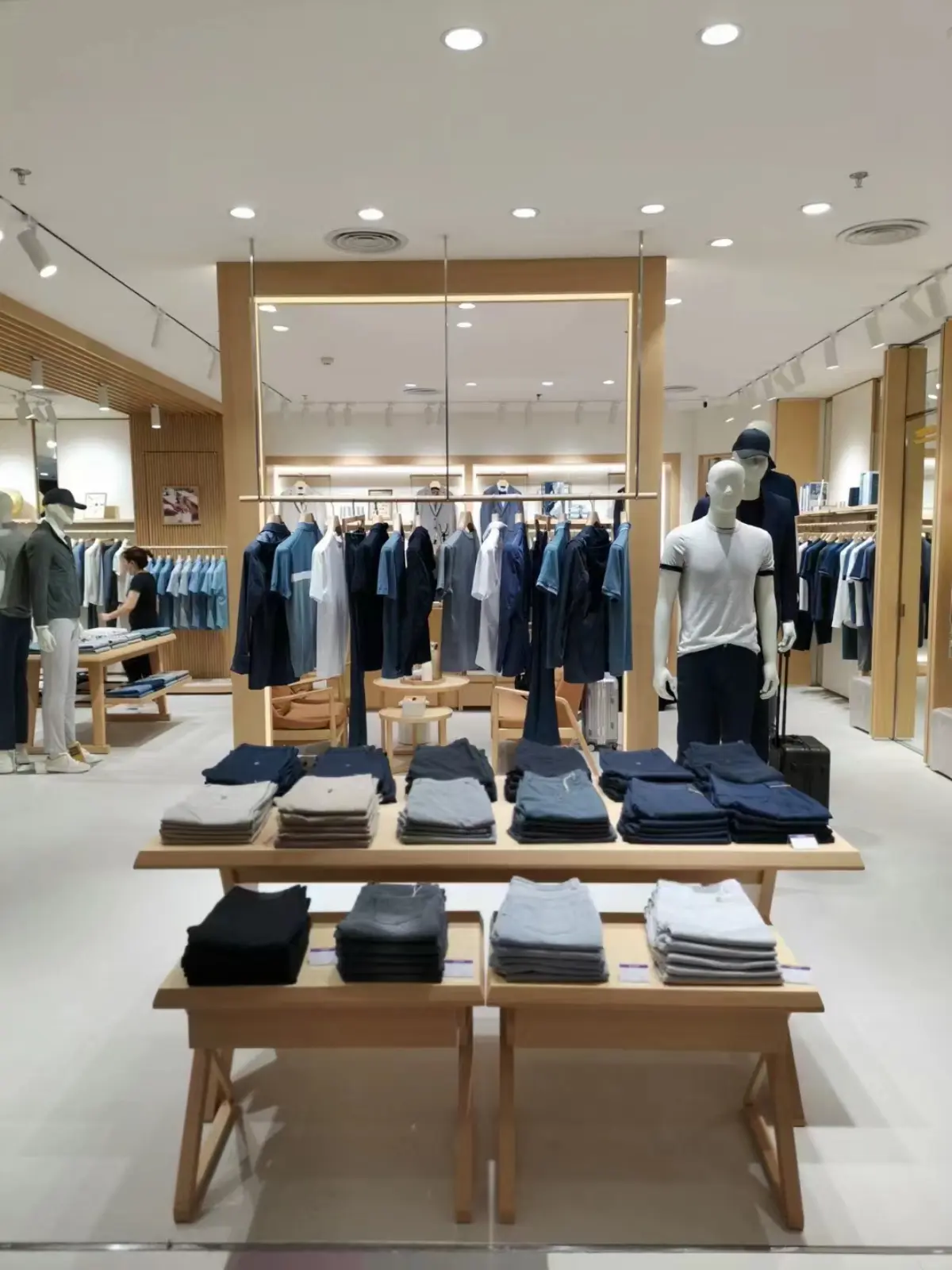
Color Blocking for Fast Fashion Retailers
Fast fashion chains rely heavily on quick visual impact. In one case, color-blocked tops on sleek black garment racks created a striking effect. Shoppers immediately noticed seasonal colors, leading to faster inventory turnover. Staff feedback confirmed that modular racks made replenishment and re-styling significantly more efficient.
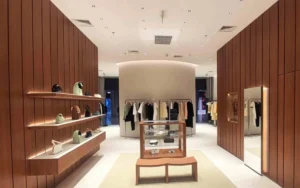
Luxury Boutique with Minimalist Fixtures
A high-end boutique used minimalist gold-finished fixtures paired with spotlighting. By giving each piece “breathing space,” the display elevated perception of value. Customers perceived products as more exclusive, which justified premium pricing. This case shows how the right fixture choice can influence perceived brand value as much as the garments themselves.
Future Trends in Clothing Display Fixtures
As retail evolves, so do fixtures. Three key trends are shaping the next generation of clothing display solutions:
- Sustainability — Eco-friendly materials such as bamboo and recycled metals are in high demand. Retailers are investing in fixtures with a lower carbon footprint without compromising aesthetics.
- Smart Fixtures — Integrated RFID sensors and LED lighting are turning traditional racks into interactive tools. They allow for real-time inventory tracking and personalized promotions.
- Modularity & Flexibility — With frequent product drops and changing fashion cycles, stores prefer modular garment racks that can be reconfigured in minutes.
Frequently Asked Questions (FAQs)
1. What are clothing display fixtures?
They are store fittings like garment racks, mannequins, shelving, and tables designed to present clothing in a visually appealing and functional way.
2. Why are garment racks important in visual merchandising?
Garment racks not only hold clothes but also influence how customers interact with products. Their placement affects store flow, visibility, and sales performance.
3. How do fixtures affect customer buying behavior?
Well-designed fixtures encourage touch, create urgency through limited displays, and highlight curated collections, all of which boost conversion rates.
4. What materials are trending in retail fixtures?
Eco-friendly bamboo, powder-coated steel, reclaimed wood, and glass are popular choices balancing durability, sustainability, and aesthetics.
5. Can small stores benefit from modular clothing fixtures?
Yes, modular systems are perfect for small stores. They save space, adapt to seasonal changes, and allow retailers to refresh layouts cost-effectively.
6. How can retailers measure the effectiveness of display fixtures?
By tracking sales lift of displayed items, customer dwell time, and foot traffic patterns, retailers can measure ROI from fixture investments.
Conclusion
Clothing display fixtures are silent yet powerful storytellers in retail spaces. From bold entrance displays to subtle color-blocked racks, they shape the shopper’s experience, influence perception, and directly impact sales. As sustainability and smart technologies take center stage, fixtures will continue to evolve — ensuring that visual merchandising remains one of the most dynamic tools in retail success.